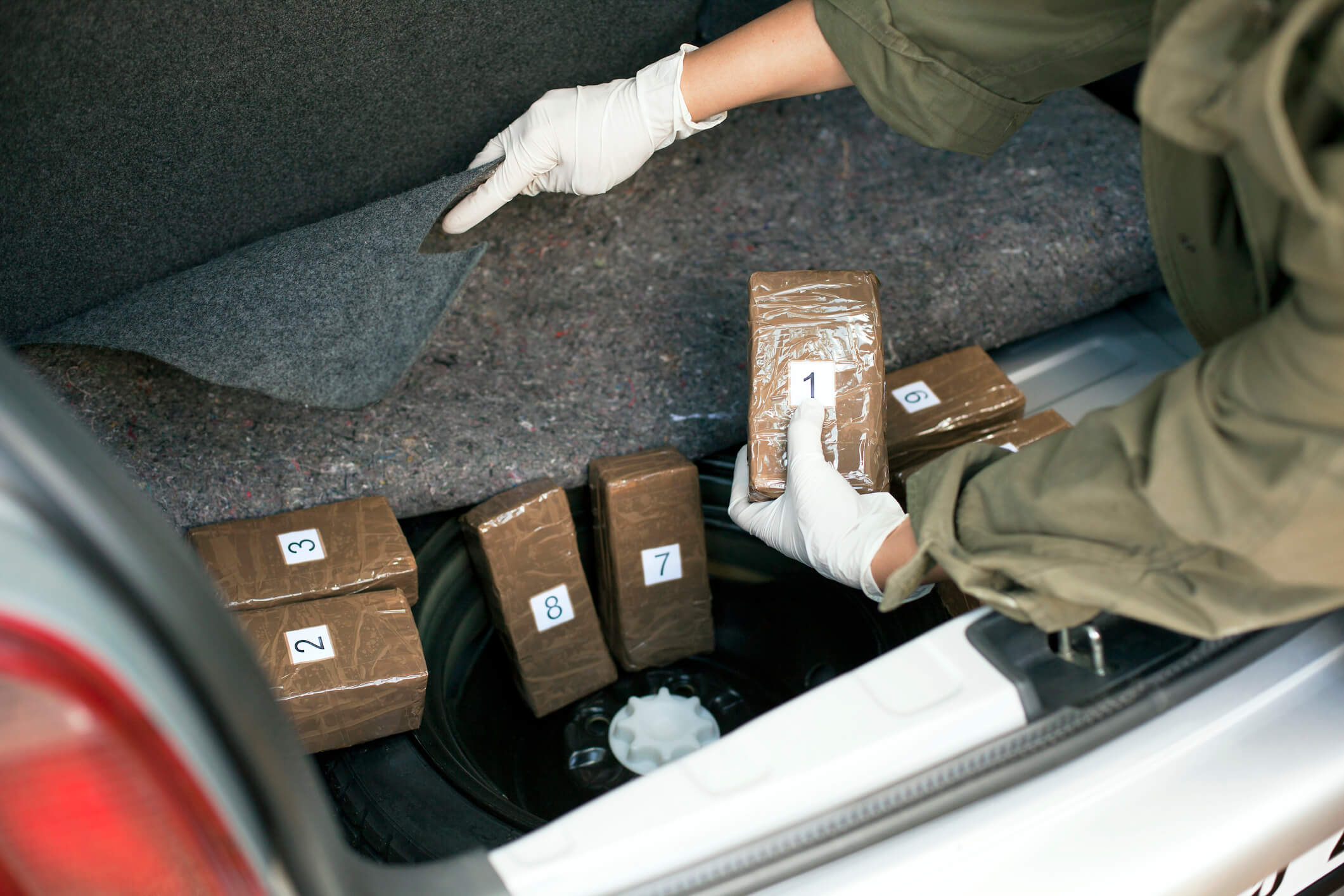
Drug trafficking in North Carolina is defined by the quantity of a controlled substance, not just the intent to sell. Under N.C. Gen. Stat. § 90-95, possessing drugs above certain weight thresholds can automatically result in trafficking charges, even if no sale occurred. These charges carry mandatory prison sentences and significant fines that increase based on the type and amount of the substance.
If you or a loved one is facing a trafficking charge, it takes an experienced drug crimes attorney to choose the best line of defense.
What Is Drug Trafficking in North Carolina?
North Carolina law defines drug trafficking broadly. You can be charged with trafficking if you:
- Sell or deliver a controlled substance
- Manufacture drugs
- Transport drugs
- Possess drugs above a statutory weight threshold
Importantly, you do not have to be caught selling drugs to face trafficking charges. Simply possessing a qualifying amount is enough.
Prosecutors may establish:
- Actual possession – drugs found on your person
- Constructive possession – drugs found in a place you control, such as a home or vehicle
Both can support a felony trafficking charge, depending on the circumstances.
What Drug Amounts Count as Trafficking in North Carolina?
North Carolina sets specific weight thresholds that trigger trafficking charges. Common examples include:
- Marijuana: 10 pounds or more
- Methamphetamine: 28 grams or more
- Cocaine: 28 grams or more
- Heroin / Opioids: 4 grams or more
- MDMA (Ecstasy): 28 grams or more
- LSD: 100 grams or more
Higher quantities lead to more severe mandatory sentences.
⚠️ Important: The total weight may include mixtures, cutting agents, or packaging—this can significantly affect the charge.
What Are the Penalties for Drug Trafficking in NC?
Drug trafficking penalties in North Carolina are mandatory, meaning judges have limited flexibility after conviction.
Penalties depend on the type and quantity of the drug, but may include:
- Mandatory prison sentences (often several years or more)
- Substantial fines, typically ranging from $25,000 to $500,000
- Enhanced penalties for higher quantities or multiple substances
Even first-time offenders can face lengthy prison sentences under these laws.
How Can a Defense Attorney Fight a Drug Trafficking Charge?
A trafficking charge is serious—but it is not automatically a conviction. Several legal defenses may apply depending on the facts of your case.
1. Unlawful Search and Seizure
Law enforcement must follow constitutional rules. If evidence was obtained through an illegal search, it may be suppressed, weakening the prosecution’s case.
2. Lack of Knowing Possession
The state must prove you knew the drugs were present and had control over them. This is often challenged in:
- Shared homes
- Borrowed vehicles
- Multi-occupant situations
3. Chain of Custody or Lab Errors
The prosecution must prove:
- The substance is what they claim
- The weight is accurate
- Evidence was properly handled
Errors in testing or documentation can undermine the case.
How Summit Law Group Can Help
Because trafficking charges carry mandatory penalties, early legal intervention can make a significant difference.
Our experienced drug crimes defense attorney can:
- Review how the evidence was obtained
- Challenge possession or weight calculations
- Identify constitutional violations
- Negotiate or pursue dismissal where possible
When your freedom and future are on the line, you need the informed representation our firm provides.
Facing Drug Trafficking Charges in Eastern North Carolina? We Can Help
A charge under § 90-95 is serious—but you still have options. A criminal defense attorney can evaluate your case, explain your exposure, and build a strategy tailored to your situation.
If you are facing drug trafficking charges in New Bern or anywhere in eastern North Carolina, speaking with an attorney as early as possible can help protect your rights and your future. Contact Summit Law Group today.